
Does Metal Recycling Really Matter?

Recycling metals like copper, brass, and aluminum offers more than just a way to reduce waste. It plays a crucial role in conserving natural resources, saving energy, and protecting the environment. Every year, millions of tons of metal scrap are recycled worldwide, turning what could be trash into valuable raw materials. This post explores the top ten benefits of recycling these metals, showing why it matters for individuals, industries, and the planet.

1. Saves Natural Resources
Metals like copper, brass, and aluminum come from mining, which extracts ore from the earth. Mining disrupts ecosystems, uses large amounts of water, and consumes energy. Recycling metal reduces the need for new mining by reusing existing materials. For example, recycling aluminum saves about 95% of the energy required to produce aluminum from raw ore. This means fewer natural resources are depleted, preserving them for future generations.
2. Reduces Energy Consumption
Producing metals from recycled scrap uses significantly less energy than extracting and processing virgin ore. Copper recycling uses about 85% less energy, while brass and aluminum recycling also show substantial energy savings. Lower energy use means fewer fossil fuels are burned, which helps reduce greenhouse gas emissions and slows climate change.
3. Cuts Greenhouse Gas Emissions
Metal production from raw materials releases carbon dioxide and other greenhouse gases. Recycling metals reduces these emissions by lowering the need for energy-intensive mining and refining processes. For instance, recycling aluminum reduces carbon emissions by up to 92% compared to producing it from bauxite ore. This makes metal recycling a powerful tool in fighting global warming.
4. Saves Landfill Space
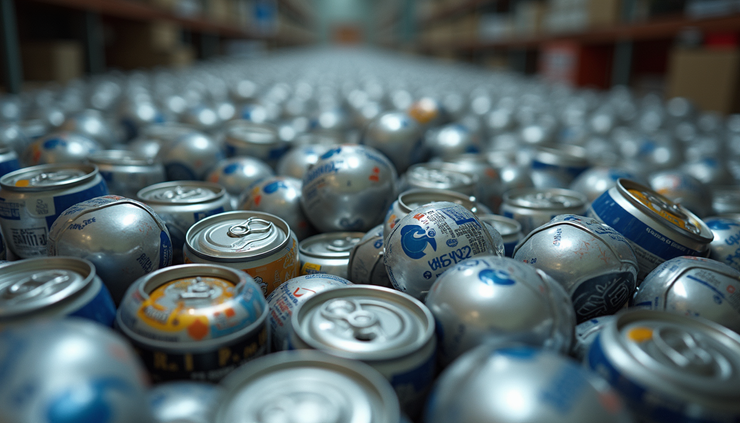
Discarded metals take up space in landfills and do not decompose. Recycling metals keeps them out of landfills, reducing the strain on waste management systems. This helps prevent soil and water contamination from metal leachates and extends the lifespan of existing landfill sites.
5. Supports Economic Growth
Recycling metals creates jobs in collection, sorting, processing, and manufacturing. The recycling industry contributes billions of dollars to the economy each year. For example, in the United States, metal recycling supports over 150,000 jobs and generates more than $100 billion in economic activity. This makes recycling a valuable part of local and national economies.
6. Conserves Water
Mining and refining metals require large amounts of water, often leading to water pollution and scarcity. Recycling metals uses far less water, helping conserve this precious resource. This is especially important in regions facing water shortages or drought conditions.
7. Protects Wildlife and Ecosystems
Mining operations can destroy habitats and harm wildlife. By reducing the need for mining, recycling metals helps protect ecosystems and biodiversity. It also prevents pollution from mining runoff, which can contaminate rivers and soil.
8. Maintains Metal Quality
Recycled metals retain their properties and quality, making them suitable for many applications. Copper, brass, and aluminum can be recycled repeatedly without losing strength or conductivity. This means recycled metals can be used in electrical wiring, plumbing, automotive parts, and packaging without compromising performance.
9. Reduces Production Costs
Using recycled metals lowers production costs for manufacturers. Scrap metal is often cheaper than newly mined ore, and the energy savings reduce expenses further. These cost reductions can lead to lower prices for consumers and increased competitiveness for businesses.

10. Encourages Sustainable Practices
Recycling metals promotes a circular economy where materials are reused instead of discarded. This mindset encourages sustainable consumption and production patterns. It also raises awareness about resource conservation and environmental responsibility among individuals and industries.


Comments