
Metal Recycling In Rural Communities

Metal recycling plays a crucial role in reducing waste and conserving natural resources. While urban areas often receive most of the attention for recycling efforts, rural communities also have a significant part to play. These communities face unique challenges and opportunities when it comes to metal recycling. Understanding these factors can help improve recycling programs and bring economic and environmental benefits to rural areas.
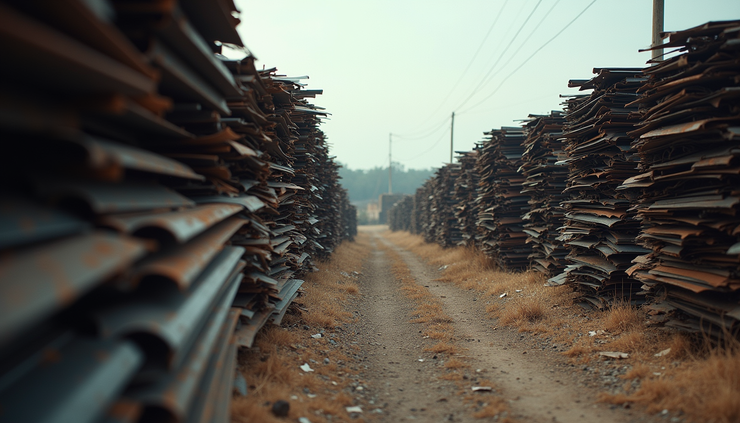
Why Metal Recycling Matters in Rural Areas
Rural communities often rely on agriculture, small manufacturing, and local industries that generate metal waste. Recycling metal in these areas helps reduce landfill use and lowers the demand for mining new metals, which can be costly and environmentally damaging.
Many rural areas have limited access to recycling facilities, which can discourage residents from recycling metal. Improving collection and processing infrastructure can make recycling more convenient and increase participation.
Common Types of Metal Waste in Rural Communities
Rural metal waste comes from various sources, including:
Old farm equipment and machinery parts
Scrap from construction and demolition projects
Household metal items like appliances and tools
Automotive parts from vehicles used in farming and transportation
These metals often include steel, brass, aluminum, copper, and iron. Collecting and sorting these materials properly ensures they can be recycled efficiently.
Challenges Faced by Rural Communities in Metal Recycling
Several obstacles affect metal recycling efforts in rural areas:
Distance to recycling centers: Long travel distances discourage residents from dropping off scrap metal.
Limited awareness: Some residents may not know the benefits of metal recycling or how to participate.
Lack of collection programs: Few organized scrap collection events or regular pickup services exist.
Economic constraints: Smaller volumes of scrap metal can make recycling less profitable for local businesses.
Addressing these challenges requires tailored solutions that fit the rural context.
Successful Strategies to Boost Metal Recycling in Rural Areas
Rural communities can improve metal recycling by adopting practical approaches:
Mobile collection units: Bringing collection services closer to residents reduces travel barriers.
Community scrap drives: Organizing periodic events encourages residents to gather and recycle metal items.
Partnerships with local businesses: Collaborating with scrap yards and repair shops can create recycling hubs.
Education campaigns: Informing residents about recycling benefits and procedures increases participation.
Incentive programs: Offering small payments or rewards for scrap metal motivates people to recycle.
For example, a farming town in the Midwest launched a quarterly scrap metal drive that collected over 10 tons of metal in its first year, providing extra income for local farmers and reducing waste.

Environmental and Economic Benefits
Recycling metal in rural communities helps:
Reduce landfill waste: Metal takes a long time to decompose and can contaminate soil and water.
Save energy: Recycling metal uses less energy than producing new metal from ore.
Create jobs: Collection, sorting, and processing generate local employment.
Support local economies: Selling scrap metal provides additional income for residents and businesses.
Conserve natural resources: Recycling reduces the need for mining, protecting ecosystems.
By improving metal recycling, rural areas contribute to a healthier environment and stronger local economies.
How Residents Can Get Involved
Residents in rural communities can take simple steps to support metal recycling:
Separate metal items from regular trash.
Participate in local scrap drives or collection programs.
Contact local authorities or recycling centers to learn about options.
Spread awareness among neighbors and community groups.
Donate or sell scrap metal to authorized recyclers.
Small actions from many people can make a big difference.


Comments